Bakuchiol vs. Retinol: What a Clinical Esthetician Wants You to Know
Bakuchiol vs. Retinol: What a Clinical Esthetician Wants You to Know
If there is one skincare question I have been asked more than almost any other over the past few years, it is this one: should I be using retinol, and is bakuchiol really a good alternative?
The short answer is: it depends on your skin. The longer answer is what I am going to give you today, because I believe that understanding why an ingredient works is far more valuable than just being told to use it.
I have treated thousands of clients over 15 years of clinical practice in New York City. I have seen women introduce retinol into their routines and thrive. I have also seen women whose skin barriers were completely disrupted by retinol they should never have been using in the first place. The difference between those two outcomes almost always comes down to education.
So let us talk about these two ingredients honestly, clearly, and without the marketing noise.
What Is Retinol?
Retinol is a form of vitamin A. It has been one of the most studied topical skincare ingredients for decades, and for good reason. When applied consistently over time, retinol is designed to support skin cell turnover, help improve the appearance of fine lines and wrinkles, and support a more even skin tone.
It works by interacting with receptors in skin cells that influence how quickly and effectively those cells renew themselves. Think of it as signaling your skin to behave more like younger, faster-renewing skin.
Retinol is available in different strengths, from very low concentrations in over-the-counter products to prescription-strength formulas. The higher the concentration, the more potential for visible results, but also the more potential for irritation.
The Real Challenges with Retinol
Here is what I need you to understand before you add retinol to your cart: it is not for everyone, and it needs to be introduced carefully.
In my treatment room, I have worked with many clients who started retinol on their own, got frustrated when their skin began peeling and becoming inflamed, and then gave up entirely. They assumed the product was not working or that their skin simply did not respond to anti-aging ingredients. In most cases, they were using it incorrectly, or it was not the right fit for their skin type.
Common challenges people experience with retinol include:
- Dryness, peeling, and flaking, especially during the first few weeks of use
- Redness and sensitivity to touch
- Increased photosensitivity, which means sun protection becomes even more essential
- Irritation that is more pronounced in people with sensitive, dry, or reactive skin
- It is generally not recommended during pregnancy or while breastfeeding
None of this means retinol is a bad ingredient. It means it is a powerful one that requires care, consistency, and ideally some professional guidance before you begin.
What Is Bakuchiol?
Bakuchiol is a plant-based extract derived from the seeds of the Psoralea corylifolia plant, also known as the babchi plant. It has been used in Ayurvedic and traditional medicine for centuries, and more recently, it has received significant attention in the skincare world for its ability to support similar skin renewal benefits to retinol, without the same level of irritation.
Research has shown that bakuchiol interacts with some of the same skin receptors as retinol, supporting the appearance of firmer, smoother, and more radiant skin over time. Because of how it works at the cellular level, it tends to be much gentler on the skin barrier.
For my clients with sensitive or dry skin, for those who have had poor experiences with retinol, and for anyone who wants to support their skin without introducing a harsh formula into their routine, bakuchiol has been a meaningful option worth exploring.
Bakuchiol vs. Retinol: A Side-by-Side Look
| Consideration | Retinol | Bakuchiol |
|---|---|---|
| Source | Vitamin A derivative (synthetic or animal-derived) | Plant extract from babchi seeds |
| Skin Sensitivity | Can cause irritation, peeling, and redness | Generally well-tolerated, gentler on the skin barrier |
| Best Skin Types | Normal, combination, and oily skin with stronger barriers | All skin types, including sensitive and dry skin |
| Sun Sensitivity | Increases photosensitivity; daily SPF is essential | Does not increase photosensitivity |
| Pregnancy | Not recommended during pregnancy or breastfeeding | Consult your physician; generally considered gentler |
| Results Timeline | Typically visible in 8 to 12 weeks with consistent use | Typically visible in 8 to 12 weeks with consistent use |
| When to Apply | Best used at night | Can be used morning and evening |
Who Should Consider Bakuchiol?
Based on my clinical experience, bakuchiol tends to be a particularly strong fit for women who fall into one or more of these groups:
- Sensitive or reactive skin that does not tolerate strong active ingredients well
- Dry skin types that struggle with the barrier disruption retinol can cause
- Women in their 30s who are just beginning to explore anti-aging support
- Anyone who has tried retinol and experienced too much irritation to continue
- Those who prefer a natural or plant-based skincare approach
- Women who want to use an anti-aging ingredient during both morning and evening routines
If you are unsure which ingredient is right for your skin, that is exactly the starting point. Identify your skin type first, then choose ingredients designed for it. Our Education page can help you get there.
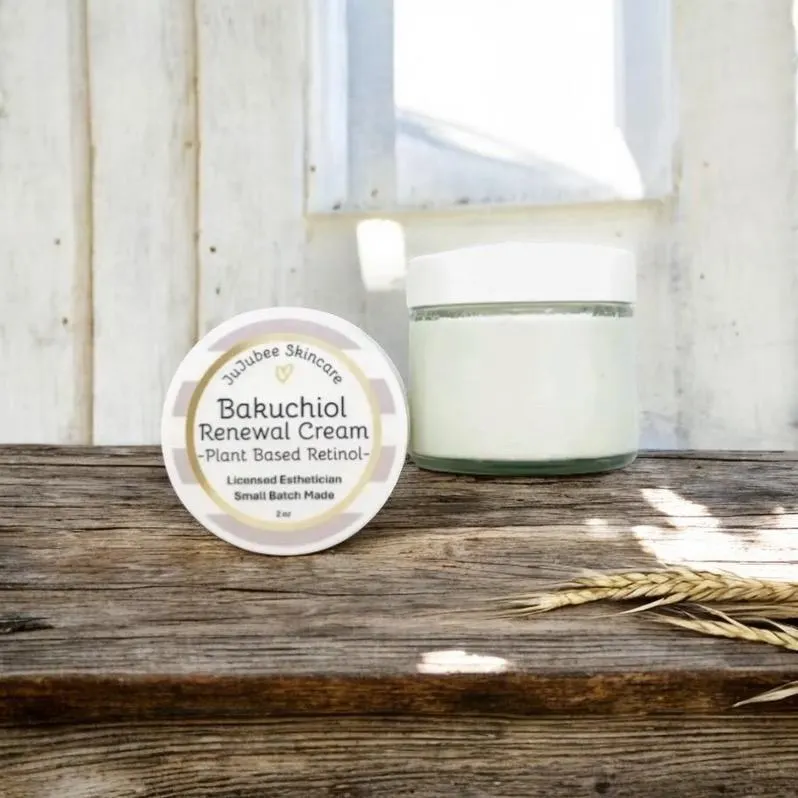
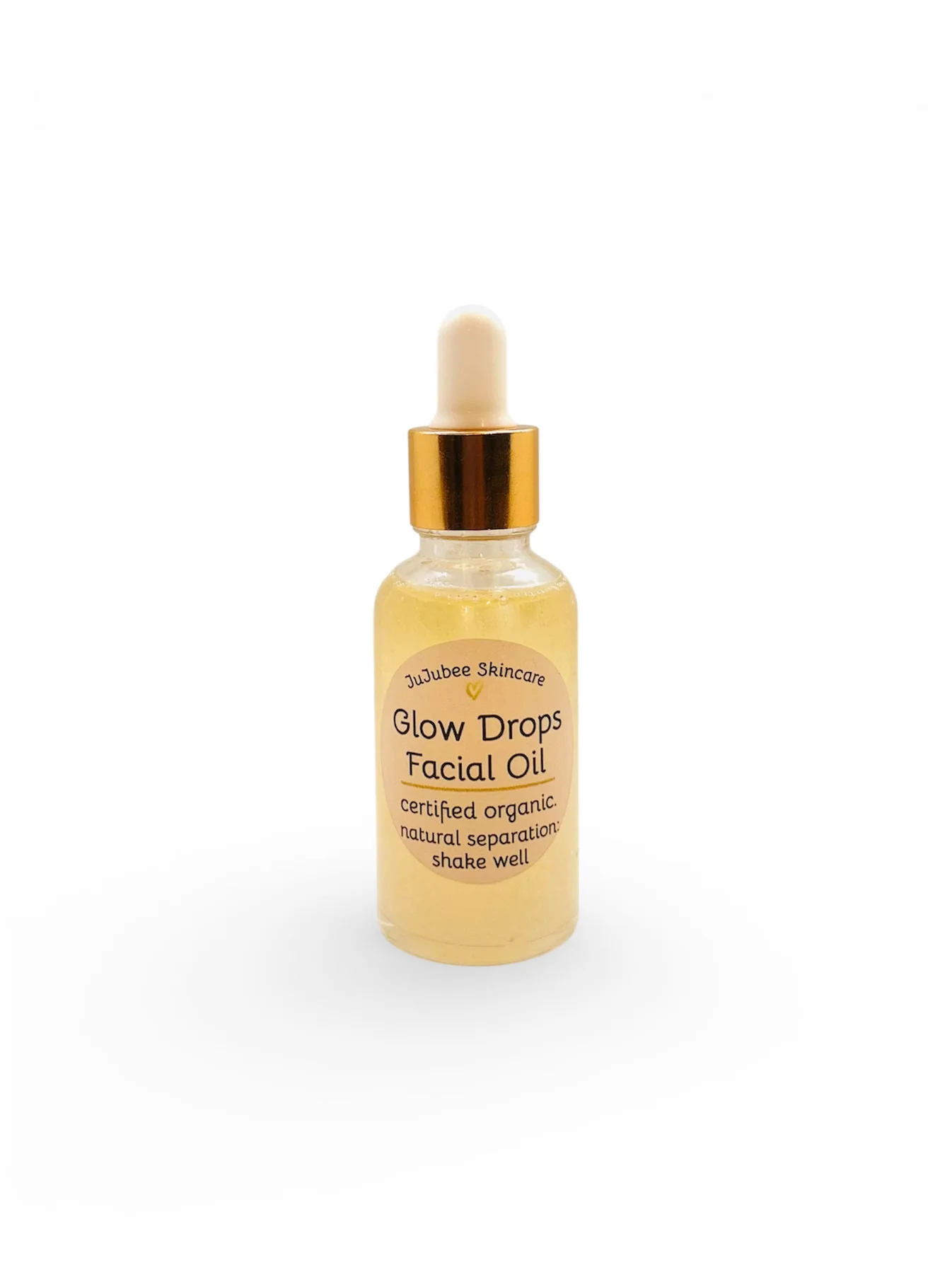
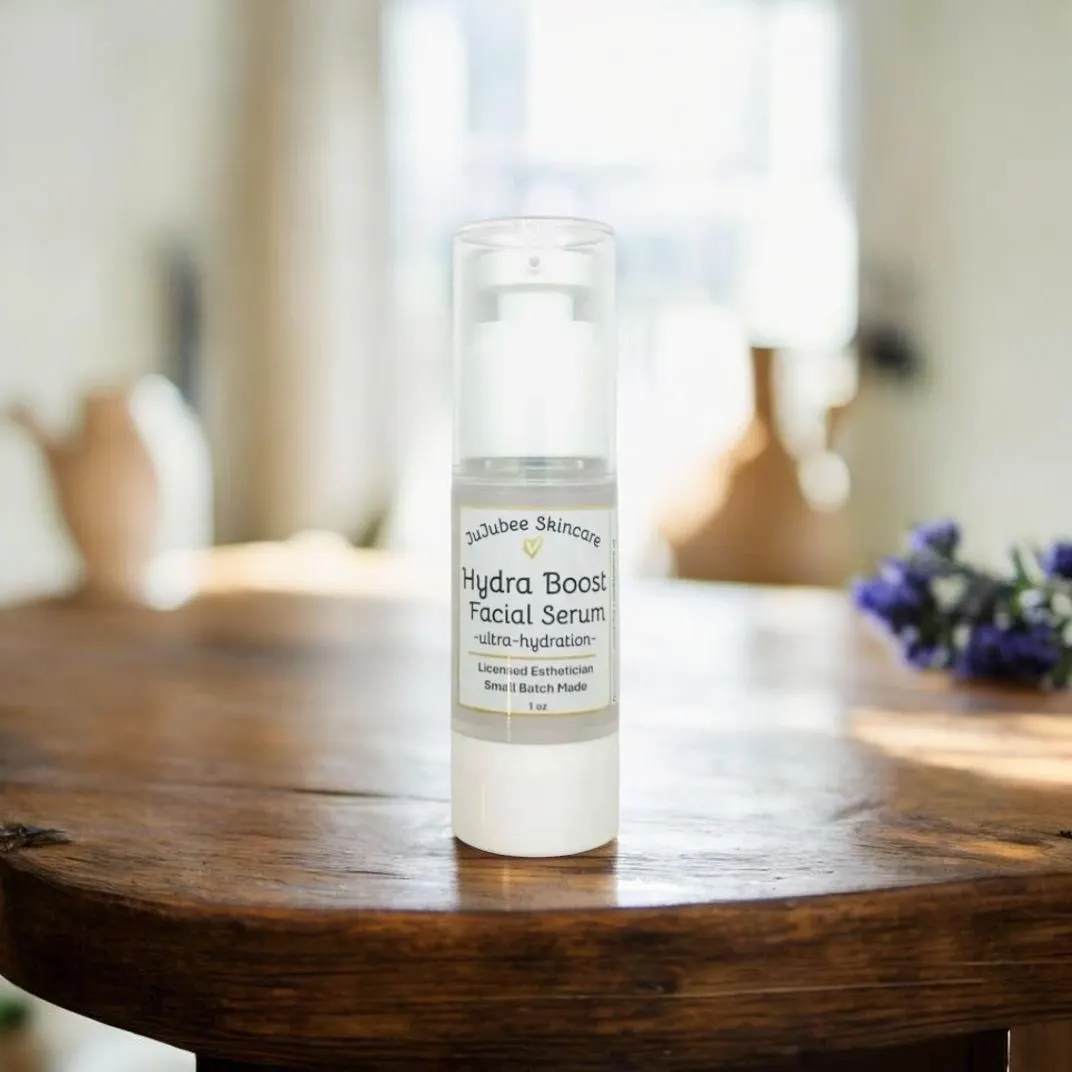
Why I Formulated with Bakuchiol at JuJubee
When I was developing the JuJubee product line, one of the ingredients I kept returning to was bakuchiol. Not because it was trending, but because I had seen what over-aggressive anti-aging routines were doing to my clients' skin barriers. Women were using strong retinols, not tolerating them well, and then layering on even more products trying to repair the damage. It was the opposite of what their skin needed.
I wanted to offer something that could genuinely support skin renewal, work for a wider range of skin types, and fit into a simple, sustainable routine. Bakuchiol made sense.
How to Add Bakuchiol to Your Routine
One of the things I appreciate most about bakuchiol is how easily it fits into a straightforward skincare routine. Here is how I suggest working it in:
- Cleanse your skin thoroughly before applying any active ingredients
- Apply a hydrating serum first if your skin tends to run dry
- Apply your bakuchiol cream as your moisturizing step
- Follow with SPF in the morning, every single morning, regardless of which ingredients you are using
- Give it at least 8 to 12 weeks of consistent use before evaluating your results
Consistency is the part most people skip. A product cannot do its job if it is only used a few times a week. This applies to every ingredient in your routine, but it is especially true for anti-aging actives that work gradually over time.
Want Guidance Built for Your Skin Type?
Every JuJubee recommendation starts with understanding your skin. If you are not sure where to begin, explore our education resources or book a professional consultation with Lindsey in Chelsea, Manhattan.
Explore the Education MethodBook a Facial in NYC